Categories
Sustainable Materials

Recycled Polystyrene & ABS

Polystyrene and ABS are both fully recyclable, something that is particularly important due to their incredibly wide-ranging uses. Using Recycled Polystyrene could be an ideal way to reduce your business’ environmental impact in a wide range of sectors. With polystyerene being in such wide usage, changing your business over to polystyrene could be a small but effective step to help the planet. This group of polymers is a cost-effective choice for a variety of purposes.


  • Recycled High Impact Polystyrene, or rHIPS is very impact resistant. It has good dimensional stability, while also being easily moulded. It has a glossy natural appearance, something that makes it easy to paint. It is a very versatile material that is most commonly used for its stiffness and ability to maintain shape. It does have quite low strength however and is susceptible to breakage and stress cracking, however HIPS is also shatterproof and impact resistant.

    rHIPS has a very wide range of usages. It is used in the creation of indoor signs and displays, in product packaging, and is a commonly used thermoplastic in household, electrical, and consumer products. HIPS is also commonly used in the automotive industry, in the creation of instrument panels, and in office products such as rulers, and computer housing.


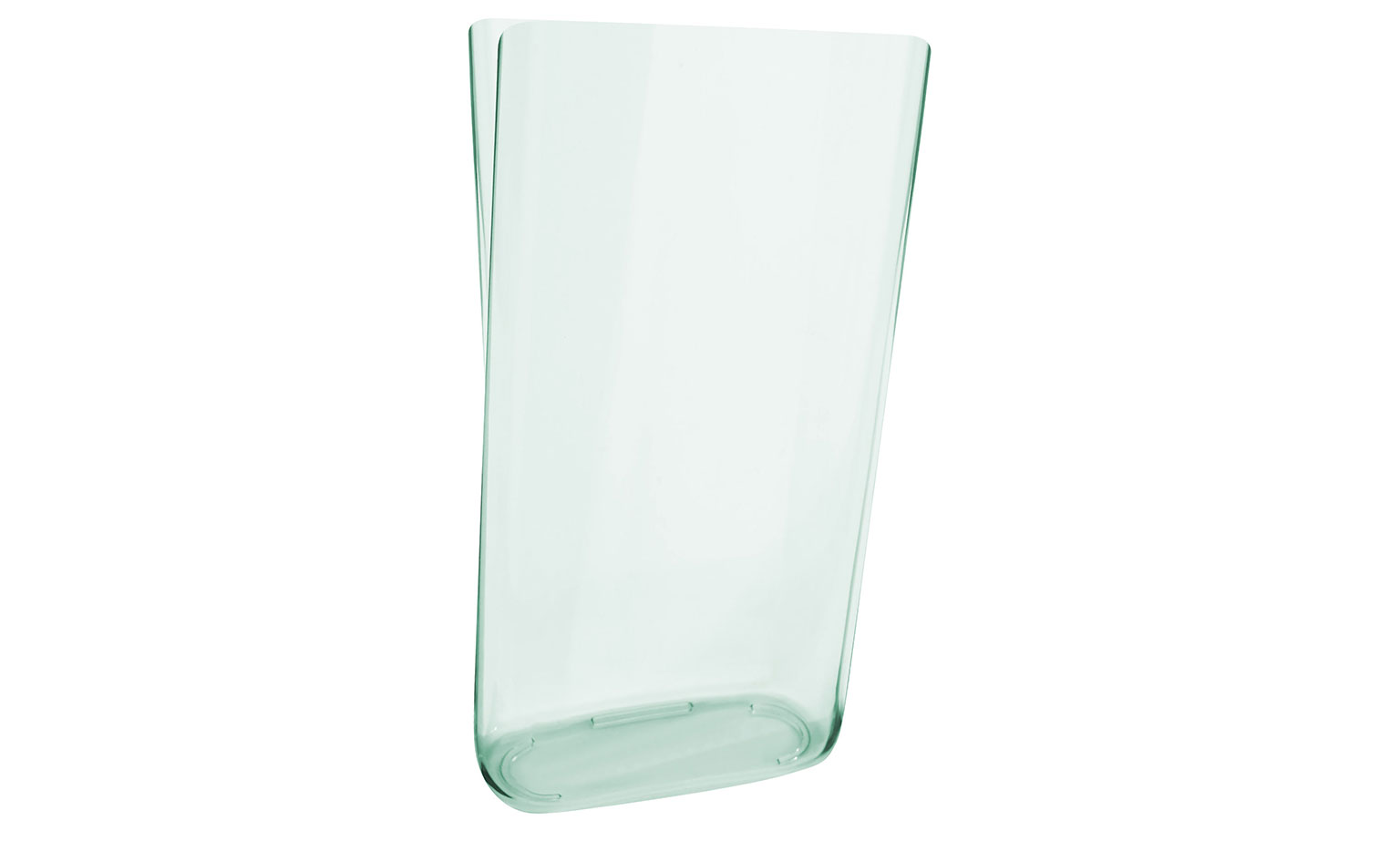
  • Recycled General Purpose Polystyrene, or rGPPS has some vary varied uses. GPPS is brittle and rigid and is naturally transparent, and has excellent x-ray, dilute acid, dilute base resistance, and oil and grease resistance. It is an especially cost-effective choice as it is easy to process and has a low melting point.

    rGPPS has a wide range of uses and applications, from consumer products, household items, and toys, to test tubes and petri dishes. It is also used in clothes hangers and electrical and computer casings. It used in a very large range of industries as its properties lends itself to a variety of general usages.


  • Recycled Acrylonitrile Butadiene Styrene, or rABS, is very impact resistant, even at low temperatures, and has a high level of rigidity. It is resistant to strain and possesses a good level of dimensional stability and weldability. rABS also possesses good electrical insulation properties, and good resistance to diluted acids and bases, as well as moderate resistance to some hydrocarbons. rABS does scratch easily however and is not very resistant to solvents.

    rABS is used in many industries, from the automotive, and electronics industries, to household and consumer products. It is also commonly found in appliances, pipes, hoses and other fittings.

Categories
Sustainable Materials

Recycled Polyethylene

Polyethylene is a highly recyclable polymer. This makes switching over to recycled Polyethylene’s from traditional forms very easy. It is the most widely recycled plastic in the world and can make a sizeable difference to your business’ environmental impact. rPolyethylene is a great choice if you want to reduce energy consumption and lower costs, as it is actually easier to produce than virgin polyethylene. More and more businesses are making the switch over to recycled forms of polyethylene, due to this variety of benefits.

rPolyethylene is a very useful polymer as different forms prioritise different qualities. It can be both high density and low density, and different structures have different melting points, so you can prioritise cost effectiveness or temperature durability according to your business’ personal requirements.


  • Low Density Polyethylene, or LDPE is the most popular form of plastic in UK manufacturing. This makes changing our usage to recyclable alternatives all the more important. rLDPE is favoured for its low melting point and good processability. It has very low water absorption, good chemical resistance to alcohols and low concentration acids and bases, and excellent electrical insulation properties. Its resistance is more limited to oxidising agents and halogenated hydrocarbons. It is flammable and is susceptible to stress cracking, however.

    rLDPE still has a very wide range of uses in comparison to its non-recycled counterpart. rLDPE can be used in plastic film packaging, containers, panelling in automotive and computing industries, and more.


  • Recycled High Density Polyethylene, or rHDPE is non-biodegradable. It can take hundreds of years before it is broken down in landfill. This is why it is so important we recycle HDPE and use it as many times in as many products as possible. This is not merely an ethical decision, as recycling HDPE is also highly cost effective, as it is cheaper to manufacture than virgin plastic. HDPE can be recycled many times, further reducing rHDPE’s environmental impact.

    rHDPE is a stiff material with good low temperature resistance, as well as having good resistance to most solvents. It is also resistant to most alcohols, low concentration acids and bases, and most oils and greases. It lacks a high level of resistance to hydrocarbons. It is also susceptible to stress cracking and is less stiff than polypropylene.
    rHDPE is most commonly used in packaging, such as crates, cartons, and industrial containers and cans for bulk usage. It has high tensile strength, making it useful in ropes and nets, and it is also used in consumer goods, such as bins, homeware, and toys. It can also be used in pipes, cables, and wiring.


  • Linear Low-Density Polyethylene, or LLDPE is one of the more difficult polymers to recycle, so its use is less widespread than the other recycled polyethenes. Recycled LLDPE is still useful however, as it is very flexible, and possesses high impact strength. It makes a good barrier against both water and alcohol vapour and has excellent chemical resistance. It also has great stress crack and impact resistance.

    rLLDPE is most commonly used in the blow moulding creation of films. It can also be used in producing agricultural films, clothing packaging, stretch film, and general-purpose films.

Categories
Sustainable Materials

Recycled Polypropylene

Recycled Polypropylene has many of the same benefits that traditional Polypropylene possesses. Like traditional polypropylene, rPolypropylene has very low reactivity, high melting point, and durability. It does not react with water, detergents, acids, or bases, and can withstand temperatures up to 160 degrees! Each of the individual types we offer has its own unique properties and benefits.

Because Polypropylene is a resin. This means these polymers can be used in blow moulding and injection moulding, film, sheet, extrusion, fibre, and thermoforming. The key difference between traditional ad recycled polypropylene is that rPolypropylene is not designed for use in the food industry. Unlike traditional polypropylene, it cannot be used in food packaging. rPolypropylene is still an excellent choice for use in the automotive, construction, and building industries, as well as still being a good choice for non-food related packaging, such as consumer products.


  • rPolypropylene Copolymer, or rPPCP cannot be used in food packaging. Apart from that, its usages and properties are largely the same as traditional PPCP. rPPCP is usually used for its characteristic strength. It is tougher and more durable than rPPHP and has good stress crack resistance. These properties do mean that it is slightly softer than rPPHP, however.

  • rPolypropylene Homopolymer, or rPPHP cannot be used in food packaging. Apart from that, its usages and properties are largely the same as traditional PPHP. rPPHP is a very strong and stiff, and its chemical resistance makes it very useful for the creation of structures that need to be able to resist corrosion. It is most useful for its durability and resistance at low temperatures.

  • rPolypropylene Random Copolymer, or rPPRP, cannot be used in food packaging. Apart from that, its usages and properties are largely the same as traditional rPPRP. rPPRP is usually used for its greater clarity and transparency. It can be used in blow moulding, injection moulding, for a variety of packaging. It is still rigid with good durability at low temperatures and is also a good cost-effective choice for polypropylene. It has a lower melting point than some of the other forms of polypropylene however, possessing a melting point of around 132 degrees Celsius.
Categories
Products

Polystyrene & ABS

Polystyrene is a useful polymer that can be created in solid and foamed forms. It is naturally transparent but can be coloured. It has a wide variety of usages. In general, it possesses good electrical resistance properties, and is rigid and easy to mould, while still being good at maintaining its dimensions. ABS is similar to polystyrene, being formed by the polymerization of styrene and acrylonitrile in the presence of polybutadiene, but it is stronger than pure polystyrene. This group of polymers is a cost-effective choice for a variety of purposes.


  • High Impact Polystyrene, or HIPS is very impact resistant. It has good dimensional stability, while also being easily moulded. It has a glossy natural appearance, something that makes it easy to paint. It is a very versatile material that is most commonly used for its stiffness and ability to maintain shape. It does have quite low strength however and is susceptible to breakage and stress cracking, however HIPS is also shatterproof and impact resistant

    HIPS has a very wide range of usages. It is used in the creation of indoor signs and displays, in product packaging, and is a commonly used thermoplastic in household, electrical, and consumer products. HIPS is also commonly used in the automotive industry, in the creation of instrument panels, in the food service industry, in the creation of drinking cups, and in office products such as rulers, and computer housing.


  • General Purpose Polystyrene, or GPPS has some very varied uses. GPPS is brittle and rigid and is naturally transparent, and has excellent x-ray, dilute acid, dilute base resistance, and oil and grease resistance. It is an especially cost-effective choice as it is easy to process and has a low melting point.

    GPPS has a wide range of uses and applications, from consumer products, household items, and toys, to test tubes and petri dishes. It is also used in clothes hangers and electrical and computer casings. It used in a very large range of industries as its properties lends itself to a variety of general usages.


  • Acrylonitrile Butadiene Styrene, or ABS, is very impact resistant, even at low temperatures, and has a high level of rigidity. It is resistant to strain and possesses a good level of dimensional stability and weldability. ABS also possesses good electrical insulation properties, and good resistance to diluted acids and bases, as well as moderate resistance to some hydrocarbons. ABS does scratch easily however, and is not very resistant to solvents.

    ABS is used in many industries, from the automotive, and electronics industries, to household and consumer products. It is also commonly found in appliances, pipes, hoses and other fittings.

Categories
Products

Polyethylene

Polyethylene is the most commonly produced form of plastic worldwide for a reason. Its variable crystalline structure makes it a very lightweight, durable thermoplastic. It is most commonly used in packaging, being used to make films, plastic bags, geomembranes, and various forms of plastic container, such as bottles, and freezer containers. Polyethylene is a very useful polymer as different forms prioritise different qualities. It can be both high density and low density, and different structures have different melting points, so you can prioritise cost effectiveness or temperature durability according to your business’ personal requirements.


  • Low Density Polyethylene, or LDPE is most popular for its lower melting point and good processability. It has very low water absorption, good chemical resistance to alcohols and low concentration acids and bases, and excellent electrical insulation properties. Its resistance is more limited to oxidising agents and halogenated hydrocarbons. However, it is flammable and is susceptible to stress cracking.

    LDPE is most commonly used for injection moulding, as well as for film and bubble film, and co-extrusion. LDPE is used in creating bottles and containers, tubing, especially for electrical components, plastic bags, and a variety of moulded laboratory equipment.


  • High Density Polyethylene, or HDPE is highly cost effective, as it can be manufactured at low temperatures. Despite this it has a fairly high melting point of 140 degrees Celsius. It is a stiff material with good low temperature resistance, as well as having good resistance to most solvents. It is also resistant to most alcohols, low concentration acids and bases, and most oils and greases. It lacks a high level of resistance to hydrocarbons. It is also susceptible to stress cracking and is less stiff than polypropylene.

    HDPE is most commonly used in packaging, such as crates, cartons, and industrial containers and cans for bulk usage. It has high tensile strength, making it useful in ropes and nets, and it is also used in consumer goods, such as bins, homeware, and toys. It can also be used in pipes, cables, and wiring.


  • Linear Low-Density Polyethylene, or LLDPE is very flexible, and possesses high impact strength. It makes a good barrier against both water and alcohol vapour and has excellent chemical resistance. It also has great stress crack and impact resistance.

    LLDPE is most commonly used in the blow moulding creation of films. This is usually in food packaging, to help keep foods fresher for longer. It can also be used in producing agricultural films, clothing packaging, stretch film, and general-purpose films.

Categories
Products

Polypropylene

The polypropylene group is a family of thermoplastic polymers that is useful in a wide variety of industries and applications. It is one of the most versatile plastics we offer, with its range of properties making it one of our most popular choices. In general, the polypropylene family is popular due to its low reactivity, high melting point, and durability. It does not react with water, detergents, acids, or bases, and can withstand temperatures up to 160 degrees! Each of the individual types we offer has their own unique properties and benefits.

Every type of Polypropylene is a resin. This means these polymers can be used in blow moulding and injection moulding, film, sheet, extrusion, fibre, and thermoforming, Polypropylene is commonly used largely in various forms of containers and packaging, from food and medical usages, to creating the wrapping for toys and phones.


  • Polypropylene Homopolymer, or PPHP is the most commonly used form of Polypropylene. It is a very strong and stiff, and its chemical resistance makes it very useful for the creation of structures that need to be able to resist corrosion. It is most useful for its durability and resistance at low temperatures.

  • Polypropylene Copolymer, or PPCP, is usually used for its characteristic strength. It is tougher and more durable than PPHP and has good stress crack resistance. These properties do mean that it is slightly softer than PPHP, however.

  • Polypropylene Random Copolymer, or PPRP, is usually used for its greater clarity and transparency. Because of this, they are usually used in blow moulding, injection moulding, for food or medical packaging. It is still rigid with good durability at low temperatures and is also a good cost-effective choice for polypropylene. It has a lower melting point than some of the other forms of polypropylene however, possessing a melting point of around 132 degrees Celsius.